





































Eric Schmidt’s Anthropic Stake: A Billion-Dollar AI Bet
Eric Schmidt’s reported 1% stake in Anthropic could bring billions ahead of its IPO. But does the AI boom justify trillion-dollar valuations?
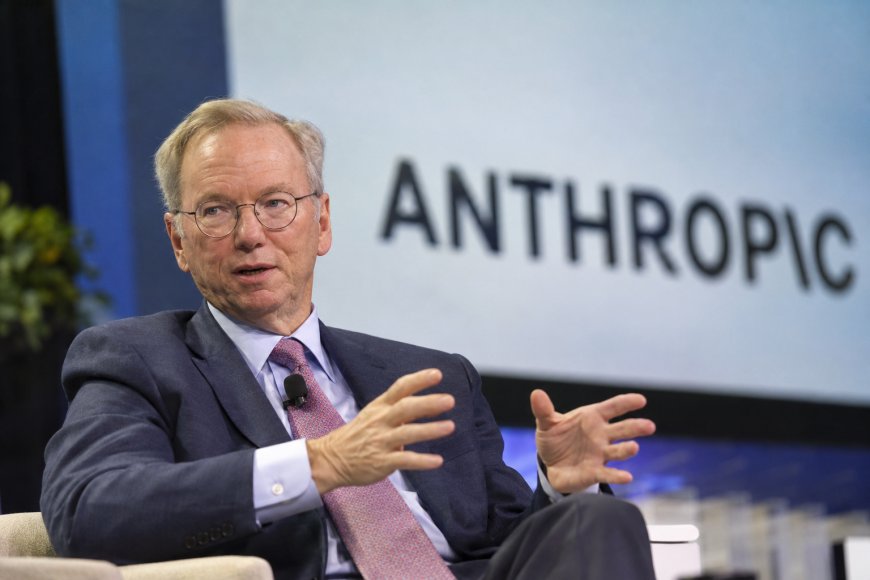
By Shefali Rana | BizGossips.in
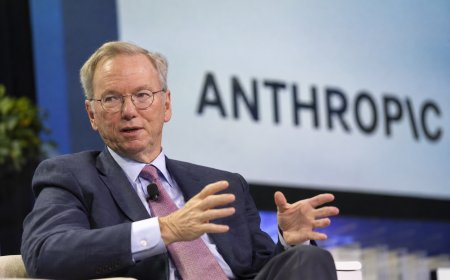
A startup investment made in 2021 could turn into a multibillion-dollar fortune. Former Google CEO Eric Schmidt’s reported stake in Anthropic, the company behind Claude AI, highlights just how dramatically investor expectations have changed during the artificial intelligence boom.
But a bigger story lies behind the eye-catching numbers. If Anthropic eventually goes public at the valuations being discussed, early investors could reap extraordinary rewards. The question is whether the company’s future business performance can justify those expectations—or whether investors are getting ahead of themselves.
From a $461 Million Startup to a Potential Trillion-Dollar Giant
According to Bloomberg, Schmidt invested tens of millions of dollars in Anthropic’s Series A funding round in 2021, when the company was valued at approximately $461 million, based on PitchBook data. He reportedly holds around a 1% stake in the AI company.
The potential payoff is enormous. Investor discussions have reportedly placed Anthropic’s possible valuation at around $1.5 trillion, with earlier expectations reaching approximately $2 trillion. At a $2 trillion valuation, a 1% stake would mathematically be worth $20 billion on paper.
However, that figure is not a confirmed payout. It assumes Schmidt still owns the reported stake and that the valuation applies directly to his holdings. Dilution, share-class terms, taxes, liquidity restrictions, and the eventual IPO price could all affect the value he actually receives.
Anthropic’s final valuation, if it lists, will depend on investor demand, market conditions, and its financial performance.
Is the AI Boom Creating a Valuation Bubble?
Anthropic’s potential valuation reflects the enormous expectations surrounding generative AI. The company has emerged as a major competitor in the industry through its Claude models and has attracted substantial backing from technology giants, including Amazon and Google.
These partnerships provide financial support and access to computing infrastructure, but they do not automatically guarantee long-term profitability.
The challenge is that AI companies must invest heavily in computing power, infrastructure, research, and talent. As usage grows, so can revenue—but operating costs can also remain substantial.
That creates a crucial distinction between a company with impressive technology and one capable of generating enough sustainable profit to justify its valuation.
A trillion-dollar price tag reflects expectations about the future, not proof that those expectations will be met. If growth disappoints or competition intensifies, investors could reassess what the business is worth.
Early Investors vs Retail Investors: Who Gets the Better Deal?
Schmidt’s reported investment highlights one of the biggest advantages in startup investing: getting in early.
Early investors often buy into a business when its valuation is comparatively low, and its commercial potential is still developing. By the time a company reaches the stock market, years of growth expectations may already be reflected in its share price.
That can leave public-market investors facing a different risk-reward equation.
The lesson is simple: a successful early investment does not automatically make the same company a good investment at its IPO price.
Retail investors should look beyond celebrity investors, AI headlines, and ambitious valuation estimates. Revenue growth, profitability, cash requirements, competitive advantages, and the IPO pricing deserve closer attention.
What Anthropic’s Potential IPO Could Mean for the AI Market
An Anthropic listing could become an important test of investor appetite for AI businesses. Strong demand might reinforce confidence in the sector, while a disappointing valuation or weak market debut could encourage investors to scrutinise other AI companies more closely.
For Schmidt, the reported stake illustrates the potential rewards of recognising an opportunity early. For the wider market, it raises a more difficult question: can AI companies convert enormous technological promise into lasting financial value?
The BizGossips Take
Eric Schmidt’s potential windfall is a striking example of how early access to a high-growth technology company can create extraordinary wealth. But the headline figure should not distract investors from the underlying business.
Anthropic may have significant growth opportunities, yet its eventual market value will need to be supported by performance, not excitement alone. The AI boom may create a new billionaire club—but investors entering late must be careful not to confuse someone else’s early success with their own future returns.
Disclaimer: This article is for informational and educational purposes only and should not be considered investment advice. Valuations and potential returns are estimates, not guarantees.
What's Your Reaction?
 Like
0
 Dislike
0
 Love
0
 Funny
0
 Angry
0
 Sad
0
 Wow
0