






































Indian Stock Market Falls as Crude Oil Crosses $108 | Sensex, Nifty
Indian stocks fell as crude oil crossed $108, the rupee weakened and geopolitical tensions intensified. Here’s what it means for Sensex, Nifty and investors.
By Shefali Rana | BizGossips.in
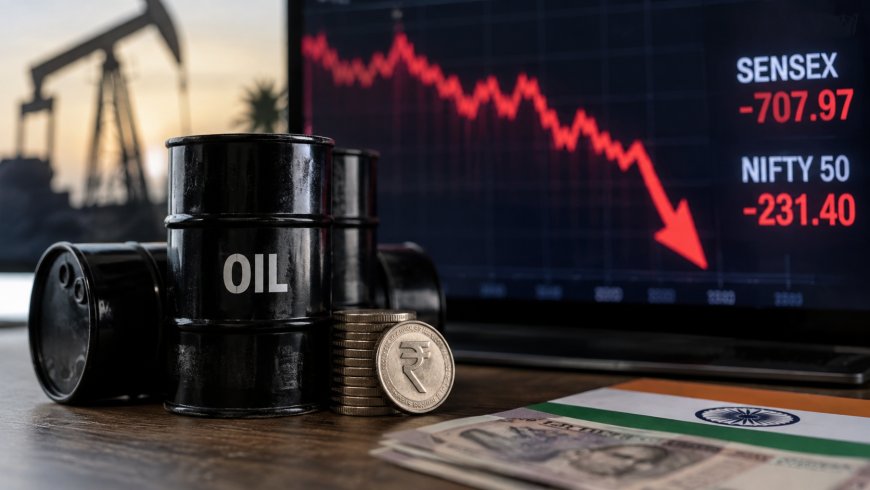
Indian stock markets started Friday, September 11, on a sharply weaker note as rising crude oil prices, a weaker rupee and escalating geopolitical tensions hit investor sentiment.
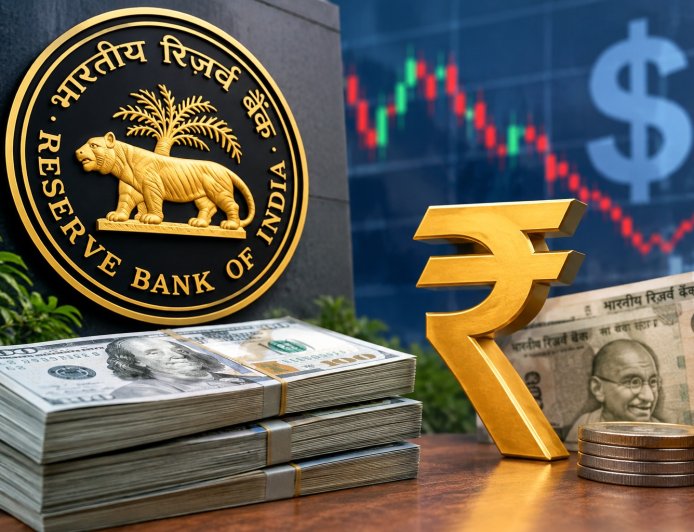
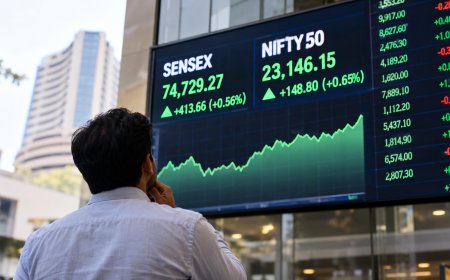
The Sensex fell more than 700 points at the open, while the Nifty 50 slipped around 1%, falling below the 23,250 mark. Meanwhile, Brent crude climbed above $108 per barrel, and the Indian rupee weakened to around ₹95.46 against the US dollar.
But the bigger concern isn't Friday's market fall.
It is what happens if crude stays above $100 for an extended period.
Oil Shock Is Becoming India’s Problem
India imports a significant share of its crude oil requirements, making the country particularly sensitive to global energy prices.
When crude becomes more expensive, the impact can spread across the economy through a higher import bill, inflationary pressure and weaker corporate margins.
The latest surge has been linked to escalating Middle East tensions and concerns over disruptions to key oil and shipping routes. Brent had already crossed the $100 level earlier this week before moving higher again.
For oil-sensitive industries such as aviation, paints, tyres, chemicals and logistics, higher fuel and raw-material costs can quickly become a margin challenge.
That creates another uncomfortable question:
How long can companies absorb higher costs before consumers ultimately pay more?
A Weak Rupee Makes the Problem Worse
The falling rupee adds another layer of pressure.
Since crude oil is largely imported and priced in dollars, a weaker rupee makes every barrel more expensive in domestic currency.
The combination is therefore particularly uncomfortable for India:
Higher crude + weaker rupee = a potentially larger import bill.
If sustained, that could complicate the inflation outlook and put additional pressure on businesses already dealing with elevated costs.
Is This Just Another Market Correction?
Not exactly.
Friday's sell-off was broad-based, with financials, metals and auto stocks among the sectors facing pressure.
But there were also clear beneficiaries. Oil producers such as ONGC and Oil India gained as higher crude prices can potentially improve their revenue and margins.
That means the current market move isn't simply about stocks going down.
It is about the oil shock reshuffling winners and losers across sectors.
What Should Investors Watch Now?
The immediate market reaction will depend heavily on the geopolitical situation and the direction of crude prices.
If tensions ease and oil prices retreat, some of the pressure on Indian equities and the rupee could fade.
But if crude remains above $100 for longer, investors may have to start pricing in a more difficult combination of higher input costs, currency weakness and inflationary pressure.
That could particularly challenge companies with high fuel costs, large dollar-denominated expenses or limited pricing power.
BizGossips Take
India's strong domestic economy provides an important cushion for its stock market. But that cushion isn't unlimited.
India can control many domestic factors. It cannot control the global price of crude oil.
With Brent above $108 and the rupee near ₹95.46 per dollar, the market is being reminded of that vulnerability.
The real question isn't whether the Sensex falls 700 points on one morning.
The real question is what happens if expensive oil becomes the new normal.
For now, Dalal Street appears to be pricing in a risk that India cannot afford to ignore: a prolonged oil shock could turn a global geopolitical problem into a very domestic economic headache.
Disclaimer
This article is based on publicly available market information and is intended for informational and editorial purposes only. It does not constitute investment, financial, or trading advice or a recommendation to buy or sell any security. Market conditions and prices can change rapidly. Readers should conduct their own research and consult a qualified financial adviser before making investment decisions.
What's Your Reaction?
 Like
0
 Dislike
0
 Love
0
 Funny
0
 Angry
0
 Sad
0
 Wow
0