








































Delhi-NCR AQI Crosses 400 as GRAP-2 Returns
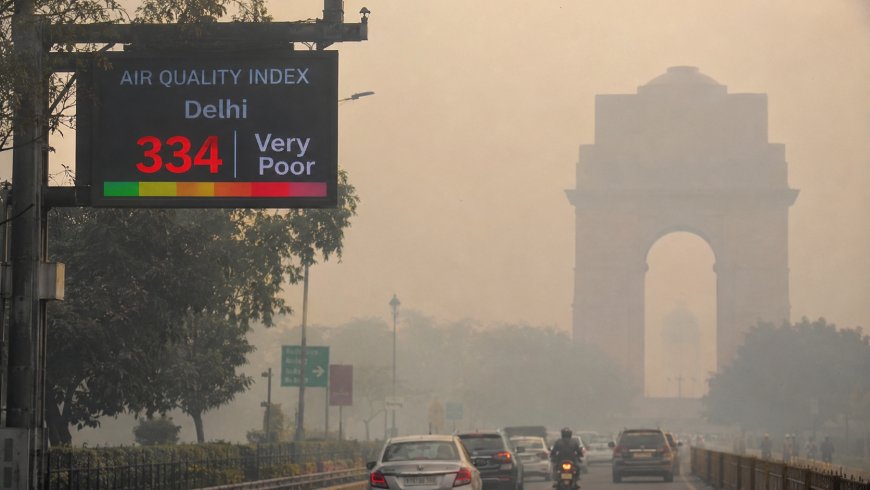
Delhi-NCR’s AQI reaches 334, while several areas cross 400. GRAP-2 tightens pollution controls, raising questions about long-term solutions.
By Shefali Rana | BizGossips.in
Delhi-NCR is heading into another pollution crisis, and the timing raises an uncomfortable question: why does clean air remain a seasonal battle rather than a year-round priority?
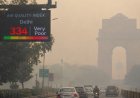
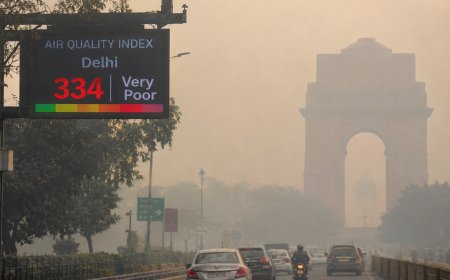
On November 3, 2026, Delhi-NCR's Air Quality Index (AQI) reached 334 in the morning, placing the region in the "Very Poor" category. Meanwhile, several Delhi localities recorded AQI readings above 400, entering the "Severe" category. The Commission for Air Quality Management (CAQM) has invoked Stage II of the Graded Response Action Plan (GRAP) across Delhi-NCR as pollution levels deteriorate.
The immediate response is clear. The bigger question is whether it will deliver lasting relief.
Delhi's Pollution Numbers Tell a Troubling Story
According to reported figures, Delhi's AQI stood at 117 on October 31 before climbing to 261 on November 1 and 324 on November 2. By Tuesday morning, the regional reading had reached 334.
Local readings were even more alarming. Jahangirpuri recorded an AQI of 451, followed by Rohini at 431, Punjabi Bagh at 424, Alipur at 415, Vivek Vihar at 411, and Bawana and DTU at 409 each.
These numbers reveal how unevenly pollution affects the capital. While one regional average provides an overview, residents in individual neighbourhoods may face substantially worse conditions.
What Does GRAP-2 Mean for Residents?
Under GRAP-2, authorities are stepping up mechanical road cleaning, water sprinkling, and the use of anti-smog guns where required. Dust control at construction sites and proper disposal of construction debris are also priorities.
Traffic police will focus on reducing congestion, while pollution-under-control (PUC) certificate checks and enforcement against visibly polluting vehicles are being intensified. Existing restrictions on older petrol and diesel vehicles will also be enforced.
Industries, brick kilns and power plants face increased scrutiny over pollution-control compliance and permitted fuels. Hotels, restaurants and roadside eateries are being directed to stop using coal and wood in tandoors and switch to electricity or gas.
Authorities are also urging residents to prefer public transport, including buses and the metro, and consider working from home where possible.
The Controversial Question: Why Are We Always Reacting?
GRAP-2 is an important emergency response, but its implementation also highlights a persistent weakness: restrictions often intensify after pollution has already worsened.
Weather conditions have been cited as a major factor behind the latest deterioration, and forecasts offer little immediate hope of improvement. However, unfavourable weather makes consistent pollution control even more important—not less.
Road dust, vehicle emissions, industrial activity and waste burning all require sustained monitoring. Temporary enforcement cannot replace year-round planning, reliable public transport and accountability for pollution-control violations.
There is also a fairness question. Ordinary commuters and small food businesses face immediate adjustments, but residents deserve equally visible enforcement against larger pollution sources.
Delhi-NCR Needs More Than Emergency Measures
The return of GRAP-2 is a reminder that pollution is not merely an inconvenience affecting visibility. It is a public concern that demands coordinated action across the region.
For now, authorities are increasing surveillance and dust-control measures, while residents are being encouraged to reduce unnecessary vehicle use.
But the real test will be what happens after the immediate crisis passes. If every winter brings another round of emergency restrictions, should success be measured by how quickly GRAP is imposed—or by whether fewer people need it in the first place?
Disclaimer: This article is based on reported information available as of November 3, 2026. AQI readings can vary by location and time.
What's Your Reaction?
 Like
0
 Dislike
0
 Love
0
 Funny
0
 Angry
0
 Sad
0
 Wow
0